What's Happening?
2024 amphibian & reptile courses
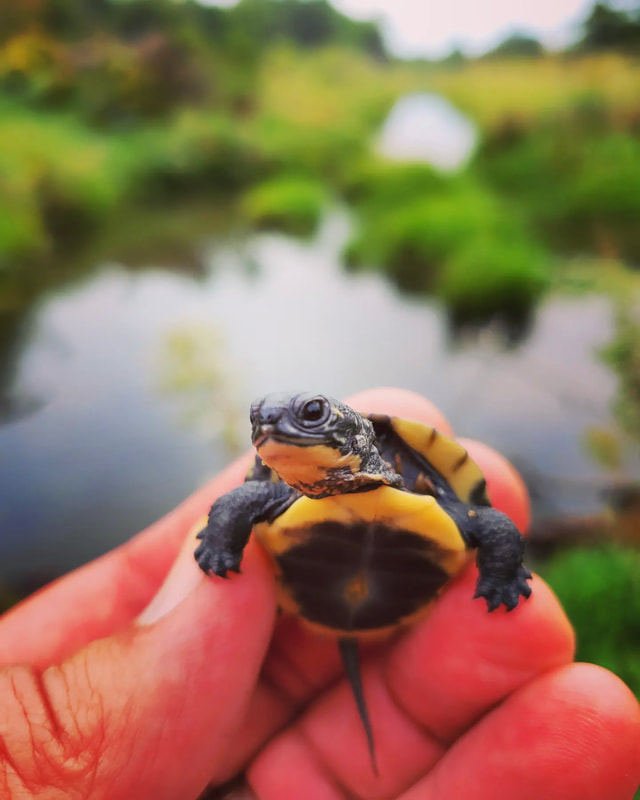
In 2021, we contributed 516 person hours in the field and logged 818 observations of 33 species including 12 species-at-risk. In 2022, we contributed 387 person hours in the field and logged 926 observations of 33 species including 292 observations of 11 species-at-risk. I am currently summarizing our 2023 stats and will be posting them shortly.
We are now preparing for the 2024 season. You can get full access to the recorded webinars, online learning modules, and field training for a one-time fee of $95/course. Field days consist of 6-hrs in one of three locations: southwestern, central, or southeastern Ontario. Surveys are conducted in protected areas with authorization to conduct research and handle amphibians and reptiles for the purpose of contributing to conservation efforts.
You must participate in one field day for each course. You can choose from three different location in Ontario depending upon where you want to visit and your geographic location. You can also participate in surveys at two or all three locations at no extra cost.
Amphibians: March 30, 31, and April 6 in southwestern (near long point), eastern (Thousand Islands National Park), and central (near Bala) Ontario
Reptiles: May 11, 12, and 18 in southwestern (near long point), eastern (Thousand Islands National Park), and central (near Bala) Ontario
Monitoring: June 1, 2, and 22 in southwestern (near long point), eastern (Thousand Islands National Park), and central (near Bala) Ontario
We are now preparing for the 2024 season. You can get full access to the recorded webinars, online learning modules, and field training for a one-time fee of $95/course. Field days consist of 6-hrs in one of three locations: southwestern, central, or southeastern Ontario. Surveys are conducted in protected areas with authorization to conduct research and handle amphibians and reptiles for the purpose of contributing to conservation efforts.
You must participate in one field day for each course. You can choose from three different location in Ontario depending upon where you want to visit and your geographic location. You can also participate in surveys at two or all three locations at no extra cost.
Amphibians: March 30, 31, and April 6 in southwestern (near long point), eastern (Thousand Islands National Park), and central (near Bala) Ontario
Reptiles: May 11, 12, and 18 in southwestern (near long point), eastern (Thousand Islands National Park), and central (near Bala) Ontario
Monitoring: June 1, 2, and 22 in southwestern (near long point), eastern (Thousand Islands National Park), and central (near Bala) Ontario
Current Projects
Community-based Conservation
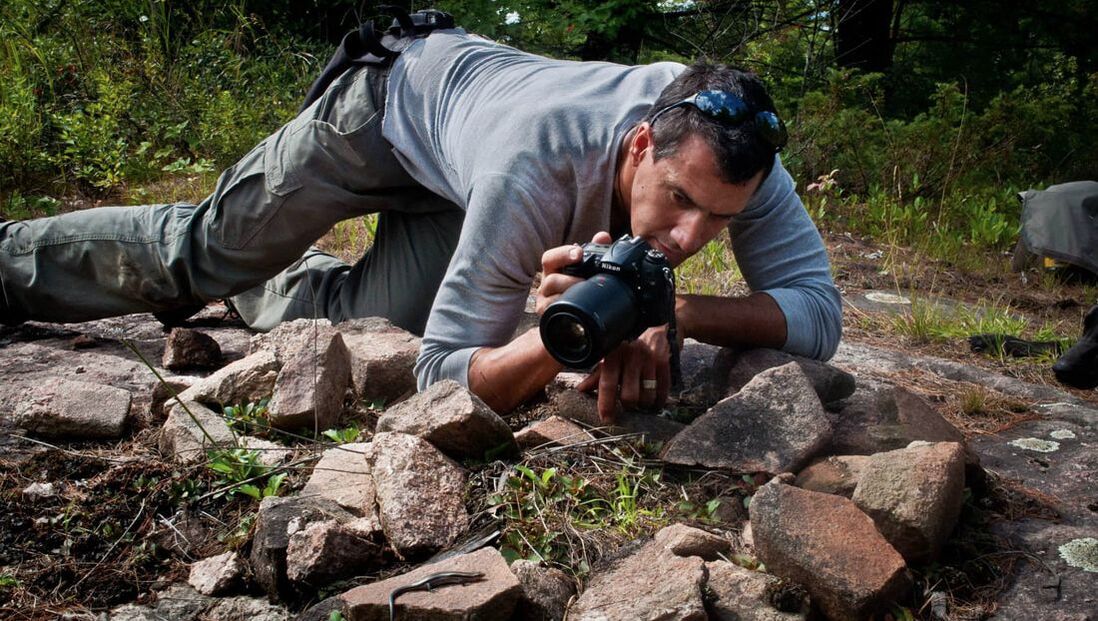
CanadaCombining education and research by offering three amphibian and reptile courses in a blended (online and in-person) format while conducting research on species at risk in central Ontario. |
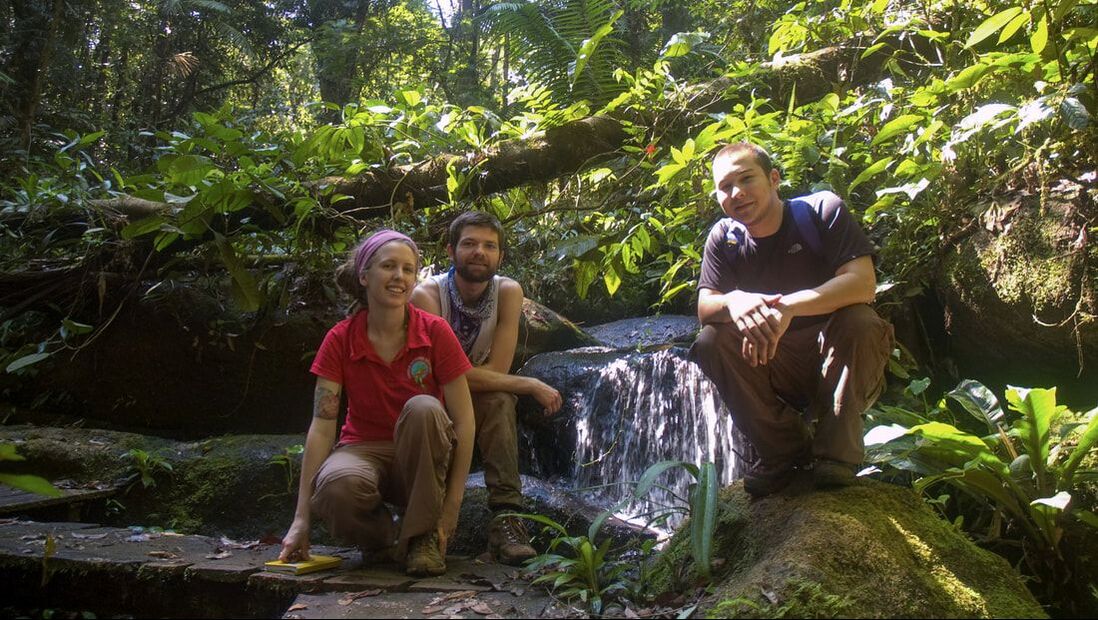
Costa Rica
Working with the Asociacion Salvemos las Tortugas de Parismina (ASTOP) to restore marine turtle populations and conducting herpetological research at Reserva Biologica Tirimbina |
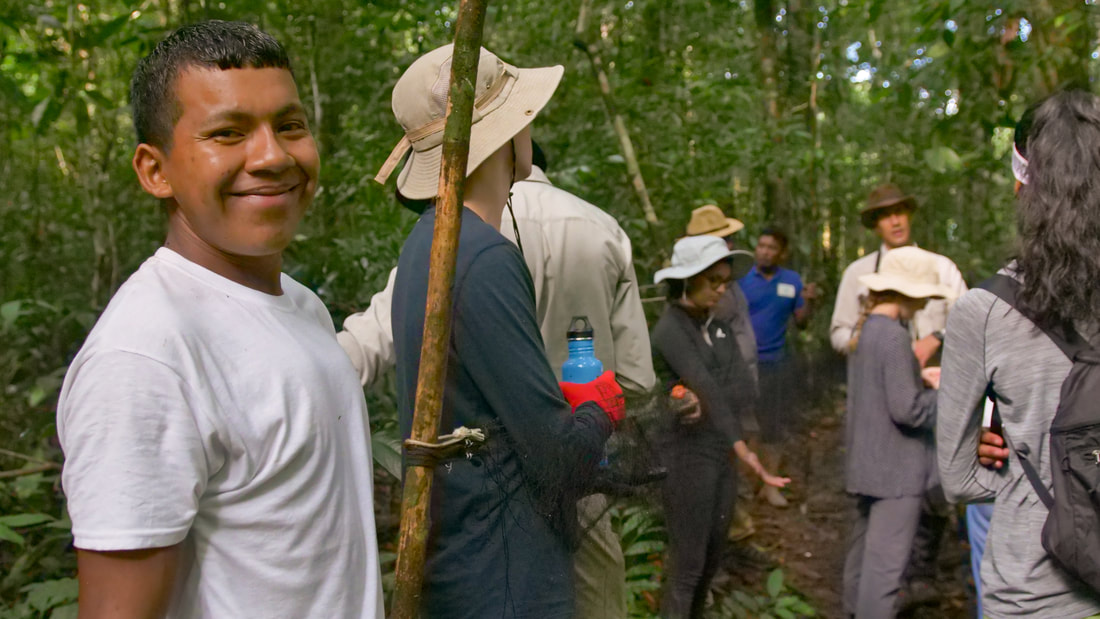
Guyana
A new initiative with Iwokrama International Centre for Rainforest Conservation and Development exploring the balance between community, culture, and conservation. |
Success in community-based conservation is measured by how effectively you can work your way out of a job!
Your goal is to become obsolete because the skills and knowledge gaps in the local community have been addressed.
Your goal is to become obsolete because the skills and knowledge gaps in the local community have been addressed.
OUR GOAL
Develop relationships with local communities to improve their capacity for conservation and restoration of species and spaces. |